
Understanding Hospice Care
What is Hospice Care?
Hospice care is a specialized approach to care for individuals with terminal illnesses who are no longer seeking curative treatment. The focus of hospice is on comfort, dignity, and quality of life during the end-of-life stage. Hospice care supports not only the individual, but also their family and caregivers.
Hospice services may be provided in the home, hospital, nursing facility, or inpatient hospice setting. Care is guided by the individual’s goals, values, and needs, with an emphasis on physical comfort, emotional well-being, and meaningful engagement.
Purpose of Hospice Care
Hospice care aims to:
Manage pain and other symptoms
Support emotional and psychological well-being
Respect personal values, beliefs, and preferences
Maintain dignity and identity
Support families and caregivers throughout the process
Who Does Hospice Care Serve?
Hospice care is designed for individuals who:
Have a life-limiting illness with a prognosis of six months or less
Are experiencing functional decline or increasing care needs
Have chosen comfort-focused care rather than curative treatment
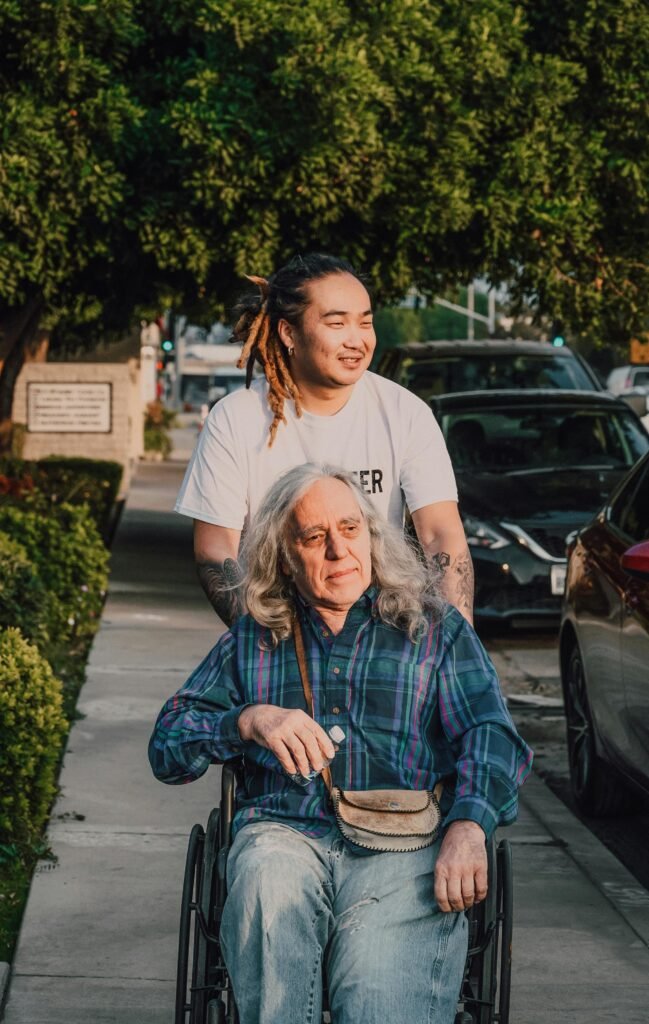
The Hospice Care Team
Hospice care is delivered by an interdisciplinary team that works together to provide coordinated, holistic support.
Physicians and nurses
Social workers
Chaplains or spiritual care providers
Certified nursing assistants
Volunteers
Rehabilitation professionals
Support for Families and Caregivers
Hospice care recognizes that serious illness affects the entire family. Caregivers may experience emotional strain, physical demands, and uncertainty.
Hospice provides education, guidance, and emotional support to families and caregivers, helping them:Understand what to expect
Navigate emotional and practical challenges
Participate in care safely and confidently
Feel supported before and after the death of a loved one
Supporting Daily Life and Meaning
As illness progresses, individuals often experience changes in strength, endurance, cognition, and ability to participate in daily activities. These changes can affect independence, routines, relationships, and sense of self.
Hospice care acknowledges that meaningful activities, roles, and personal connections remain important at every stage of life. Supporting daily routines and personal meaning helps preserve dignity and comfort for individuals while also easing stress for caregivers.
A Holistic Approach to End-of-Life Care
Hospice care addresses the whole person—physical, emotional, social, and spiritual. This holistic approach supports comfort, personal identity, and meaningful moments, relationships, and life experiences during the end-of-life stage.